How does a change reach production?
List every stage, tool and hand-off, including the manual steps that do not appear in the pipeline.

Step 01 of the delivery cycle
See how one system is built, tested and released, who owns each step, what it inherits and what blocks a release, before anything changes.
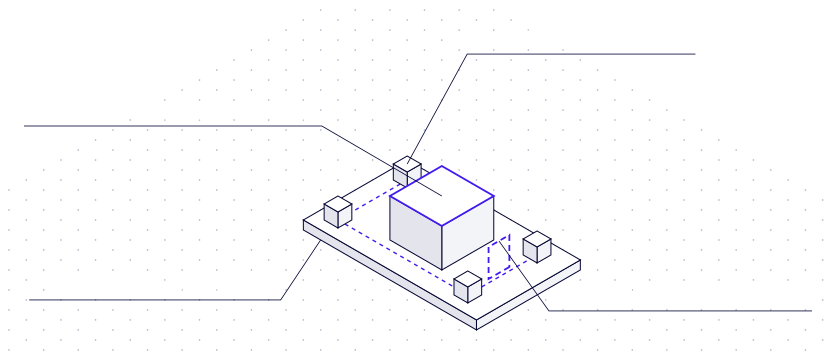
We walk the path a change takes from a developer’s request to production: repositories, builds, tests, environments, approvals and the release itself. We record who owns each step and where work waits.
We also record what the system inherits: the platform, shared pipeline services and enterprise controls it relies on. Gaps stay visible, so priorities rest on facts.
We identify the pipeline’s security boundary, authorization status and approval path, including the controls inherited from enterprise services. The baseline names who protects pipeline access, credentials and configuration, and who monitors changes.
List every stage, tool and hand-off, including the manual steps that do not appear in the pipeline.
Name an owner for each stage and approval. Steps with no owner are where releases stall.
Record the platform and shared services it relies on, and which controls they provide.
Note the recurring causes of delay or failed releases, such as environment drift, slow approvals or missing tests.
Name the repositories, pipeline and system of record where deliverables live, the format of the delivery map and how often it is refreshed.
The system owner confirms the as-is picture and sets priorities. The platform owner confirms what the platform provides. The product owner confirms the acceptance criteria in use today.
Safeguards
Your officials accept each release and keep the authorization decisions. We work on the platform and pipeline your agency approves, and we never approve on your behalf. Read our safeguards and the delivery baseline review.