Observe performance
Track agreed measures, drift, human overrides, incidents and feedback. Compare operating cost with the value the program intended to obtain.

Step 04 of the operating cycle
Track performance, control versions and retain a tested fallback. The agency decides whether to continue, change, constrain, suspend or retire a use.
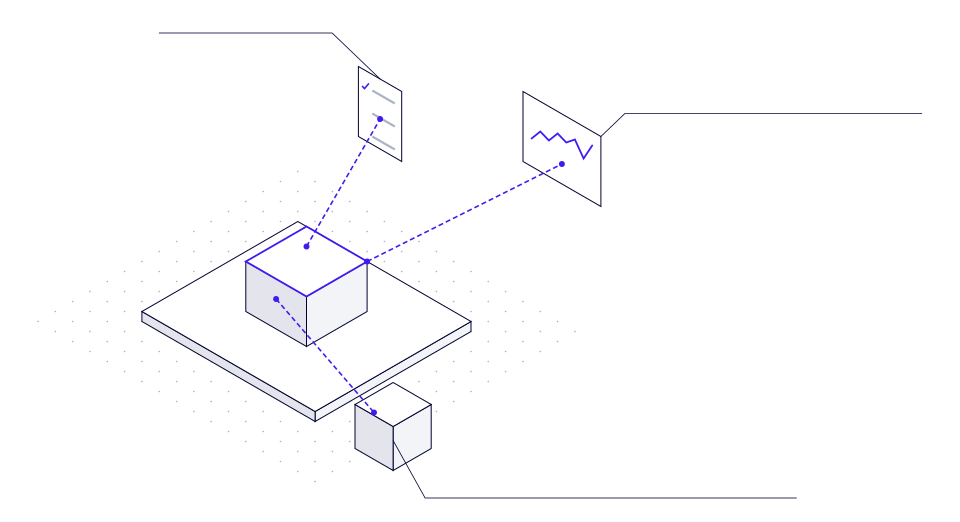
We organize operating evidence around five choices the agency faces: continue, change, constrain, suspend or retire a use. Review mission value alongside performance, cost, security and privacy.
Operations feed the next data review. New document types, recurring errors and user feedback can change the fitness judgment made at the beginning of the cycle.
Track agreed measures, drift, human overrides, incidents and feedback. Compare operating cost with the value the program intended to obtain.
Version models, prompts, configurations and evaluation sets. Notify the contracting officer (CO) and contracting officer’s representative (COR) before proposed changes as the contract requires. Record tests and approvals.
Document who can stop the service, how work continues and what triggers rollback. Test the manual path and keep operators trained.
Export records in agreed formats, transfer knowledge, confirm deletion obligations and close access. Preserve records according to agency requirements.
Where applicable, keep notices, remedy and appeal channels available to affected people. Name the agency owner, record how public feedback and complaints are handled, and bring unresolved issues into the operating review.
Define monitoring deliverables, incident and change-notice obligations, service measures and review dates. Preserve rights to operating records and evaluation evidence. Carry no-training terms, portability, transition support and deletion duties through the full operating period.
Separate technical recommendations from contractual direction. The COR’s oversight record should make unresolved issues and required contracting officer action clear.
The program owner and designated officials decide whether the use continues within its approved limits. The authorizing official assesses changes affecting system risk. The contracting officer directs contractual changes.
Navira prepares the operating record and recommendations. We agree the review cadence, refresher training, escalation and fallback duties when we scope the work. Results depend on the system, data and operating conditions.
Safeguards
Agency data does not train any model, and we help your contracting officer put that term in the contract. Read our safeguards and the AI and data portfolio review.