Put existing and planned uses in the same decision register
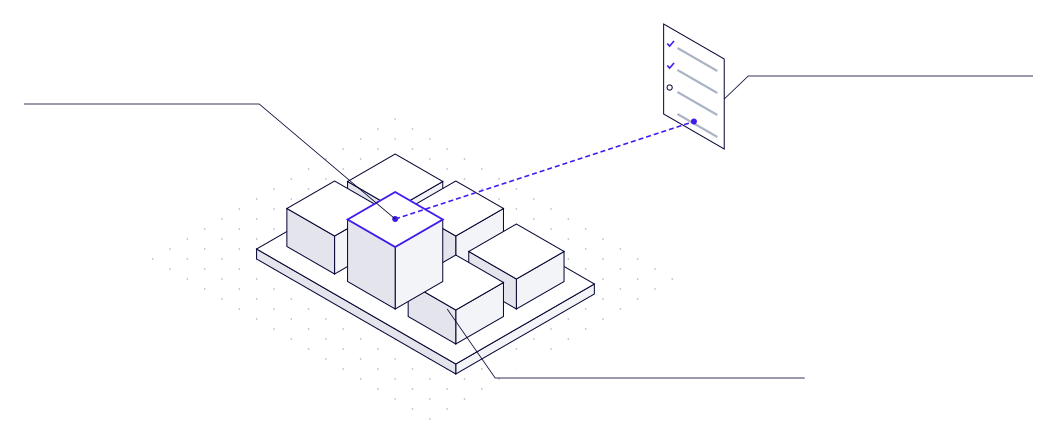
We help the agency compare mission value, operating cost, data readiness and risk across its AI portfolio. Start with what is already running, then add proposed uses and dependencies.
Each entry identifies the intended decision, affected people or services, accountable owner, contract reference, authorization record and next review date. Assumptions and unresolved evidence stay visible.
Screen the use before choosing the path
Does the functionality meet the definition?
Record why the functionality does or does not meet the applicable AI definition. Systems that act only on rules people wrote fall outside the definition. Record the reason; a rule-based label alone does not settle it.
Could the use be high-impact?
Check both the applicable presumed categories and whether the output is the primary basis for a consequential decision. Document the agency’s determination. Human review is a control, not an automatic exemption.
Which practices apply?
Map applicable practices, missing evidence and responsible owners against the agency’s strategy and compliance plan.
Is the investment justified?
Compare expected mission benefit with acquisition, operation, evaluation, training and exit costs. State what the estimate assumes and how value will be measured.
What your contracting officer needs
Provide the intended use, performance measures, risk determination and documentation requirements before shaping the acquisition. Identify rights, government-held evaluation data, no-training terms, portability and proposed change controls.
Disclose commercial interests and prospective downstream work. We decline this advisory portfolio review where we are competing for the resulting implementation.
Who decides at this step
The Chief AI Officer (CAIO) or authorized delegate confirms AI governance decisions under agency policy. The program owner establishes mission priorities. The contracting officer handles acquisition decisions and conflict-of-interest questions.
Under OMB M-25-21, only the agency’s Chief AI Officer may waive minimum practices, and that responsibility is not delegated. Where applicable practices cannot be met, document the issue and the safe discontinuation path for agency decision.
Policy reference: OMB M-25-21, subject to agency applicability and implementation.
Safeguards
Our interests are disclosed. Your decisions stay yours.