Was the change analyzed before release?
Record the security impact analysis and the authorizing official’s or authorized delegate’s determination of authorization impact. The change board approves release within its agency delegation.

Step 04 of the authorization cycle
Analyze significant changes before they ship, give each plan of action and milestones (POA&M) item an owner, a milestone and a decision, and prepare systems for an ongoing authorization decision.
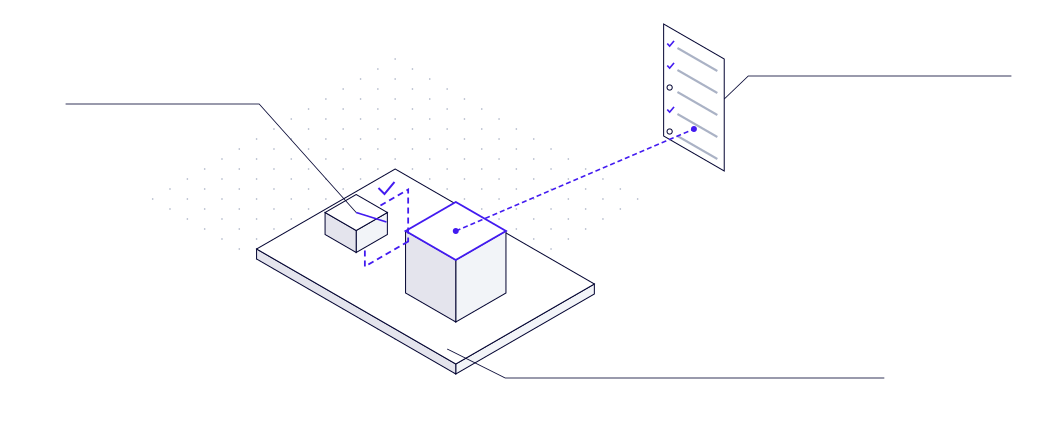
Every release, new interconnection or new service gets a security impact analysis before it goes live, as NIST SP 800-37 describes for ongoing monitoring.
The analysis log records what changed and the decision taken. A significant change may require an updated authorization decision or reauthorization. The authorizing official or authorized delegate determines the authorization impact under agency policy.
Record the security impact analysis and the authorizing official’s or authorized delegate’s determination of authorization impact. The change board approves release within its agency delegation.
Each POA&M item has an owner, a milestone and a decision. Review overdue items at the next briefing and record the action and decision owner.
The baseline measures are reviewed at each authorizing official (AO) briefing, from the same records the team uses.
We prepare the evidence. The authorizing official decides, and the decision is recorded.
Define the included change workload, notice period and volume limits. Event-driven work can be scoped as an agreed capacity line or volume band, with a process for revisiting scope when limits are exceeded. Your contracting officer determines whether work outside that scope requires a contract modification.
The AO accepts or declines ongoing authorization, in writing. The AO or authorized delegate determines authorization impact from significant changes. The system owner and information system security officer (ISSO) approve POA&M milestones and closures. The change board approves releases within its agency delegation.
Safeguards
Where we, our prime or our teammates implement or operate controls on a system, or did in the last two years, none of us assesses that system. Read our safeguards and the authorization health review.