Who owns each dollar?
The share of spend with a valid owner tag is reported monthly, and unallocated spend gets a dated fix.
Step 04 of the operations cycle
Give every dollar and every license an owner, reconcile what you own with what you use, and keep operations ready to transfer to another team on a tested plan.
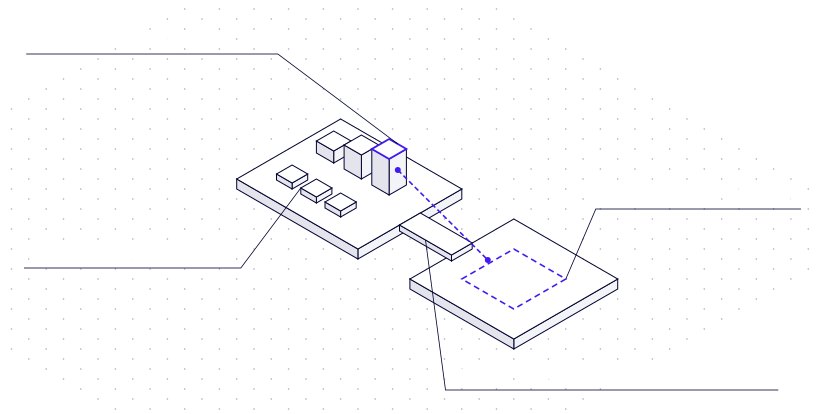
Billing data is normalized and reconciled to invoices, every workload is tagged to an owner, shared costs are allocated by your rules, and agreed budget thresholds trigger alerts. Cost reports are written so a budget owner can say what was spent, why, and what to do next.
Cost per transaction or per user is reported as a trend, and the common savings are worked in order: turning off idle environments, removing unattached storage, and rightsizing before committing to discounts.
Set cost targets after a reconciled baseline exists. Show the source and method behind any savings estimate, and test whether budget owners can use the report to decide what to do next.
Hardware and software records are reconciled to your agency’s automated discovery and asset inventory. Software licenses are compared with actual use, and each renewal gets a review well before it expires, including license terms that limit where software can run.
Record the publisher’s entitlement evidence, its date and the named agency reviewer. We do not certify a publisher’s license position or negotiate on your agency’s behalf. The contracting officer retains buying and negotiation decisions.
Unreconciled license records get an owner and a correction date. We do not present savings or license-reduction recommendations for that title until the records reconcile.
Nothing transfers on assumption. Every person, process, system, record, credential and decision right has a named owner, a readiness test and a date, and your team sees readiness every week. At exit, platform code, runbooks, recovery plans and cost models are already in government repositories, and our access is removed on the exit date.
A successor-role reader walks through the runbooks and frequently used knowledge articles without the author’s help. Failed walkthroughs are corrected and repeated; they do not count as acceptance.
The turnover register records each item’s custodian, format, documentation and records schedule. Confirm agency records and system-owner approvals, cutover and rollback conditions, and credential changes before closing the handover.
The share of spend with a valid owner tag is reported monthly, and unallocated spend gets a dated fix.
Licenses are compared with use before each renewal, not after.
Every transferring item has a named owner on both sides of the hand-off.
Each item has a readiness test and a date, and the contracting officer’s representative sees readiness status each week.
Specify the cost allocation report, license reconciliation, renewal calendar and turnover register. State the government repositories, data access, approval roles and handover tests, including the treatment of unresolved items.
The budget owner or chief financial officer’s office sets allocation rules and thresholds. The contracting officer approves contract changes. The platform owner approves the plan; the contracting officer’s representative records acceptance within the written delegation.
Safeguards
Your officials decide placement, accept the platform and its recovery plans, and set the service targets. We work on the platform and tools your agency approves, and we never sign acceptance on your behalf. Read our safeguards and the environment baseline review.
The contract defines the scope and records any exclusions. Your designated officials approve the work; the contracting officer’s representative records acceptance within the written delegation. Missing evidence or approval keeps the step open, with an owner and a date to correct and retest it.