Which systems move?
Every system has an owner’s decision and a recorded reason, including the ones that stay.
Step 01 of the operations cycle
Decide what each system needs before choosing where it runs. Record the owner’s decision, the cloud service evidence and the order of moves, with a tested rollback plan for each wave.
We list every system, account, subscription and software-as-a-service tenant in scope, each with an owner, and record what each one depends on and who uses it. Systems nobody owns are found here, not after a move.
Include the service catalog, support channels, tools and license data sources. Record inherited services, exclusions and the applicable policy baseline with last-checked dates. An unowned system or service stays out of the next step until the gap is resolved.
Each system owner chooses retain, rehost, replatform, refactor, replace or retire, with the reason recorded. Placement follows the mission and the data: a system stays where it is when that serves the mission better.
The decision record includes commercial alternatives, expected lifecycle cost, risks and dependencies. If the hosting choice changes the modernization decision, update both records. For retirement, confirm the records schedule and preserve records with their metadata before turning the system off.
Compare the mission’s reliance and data sensitivity with the agency’s impact categorization. Then assess whether the proposed cloud service and its available evidence fit those needs.
FedRAMP certification belongs to the cloud service. The agency retains the authorization decision for its system. Record the provider and agency responsibilities, inherited controls and gaps. Defense requirements are checked separately; a FedRAMP class is not a Department of Defense impact level. See FedRAMP’s agency-use guidance.
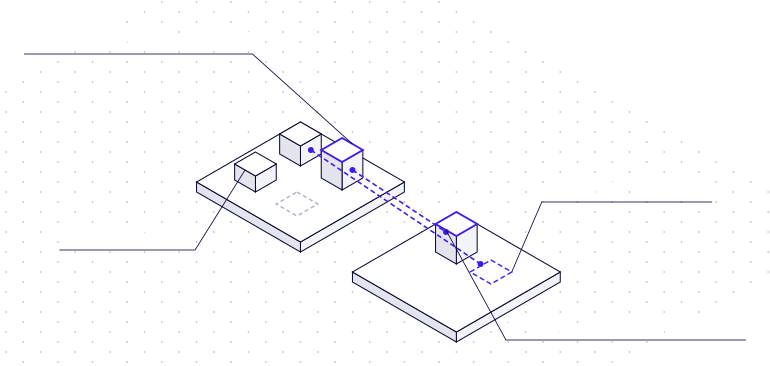
Moves are grouped into waves by dependency and risk, with the systems that teach the most going first. Each wave has a rollback plan and a date, and users hear what will change before it does.
Agree on measurable go or no-go conditions. Rehearse rollback, tell users where to get help, and keep the current service running until the agency records its cutover decision.
Every system has an owner’s decision and a recorded reason, including the ones that stay.
Waves follow dependencies and risk, and each has a rollback plan.
The proposed service’s certification evidence is checked against the system’s impact categorization and agency requirements.
Retained systems carry a date to look again, so the decision does not go stale.
Name the systems in scope, the placement register and migration sequence as deliverables, where they are kept, and who approves the hosting decision and accepts the deliverables.
Each system owner decides placement. The authorizing official or delegate accepts the hosting class and authorization path. The platform owner confirms what the platform will provide.
Safeguards
Your officials decide placement, accept the platform and its recovery plans, and set the service targets. We work on the platform and tools your agency approves, and we never sign acceptance on your behalf. Read our safeguards and the environment baseline review.
The contract defines the scope and records any exclusions. Your designated officials approve the work; the contracting officer’s representative records acceptance within the written delegation. Missing evidence or approval keeps the step open, with an owner and a date to correct and retest it.