Is it reliable?
Platform services have objectives, and the monthly report shows how they were met.

Step 03 of the operations cycle
Run the platform as a product, log what matters under your agency’s plan, and give your people a service catalog, a desk that routes well and knowledge they can use themselves.
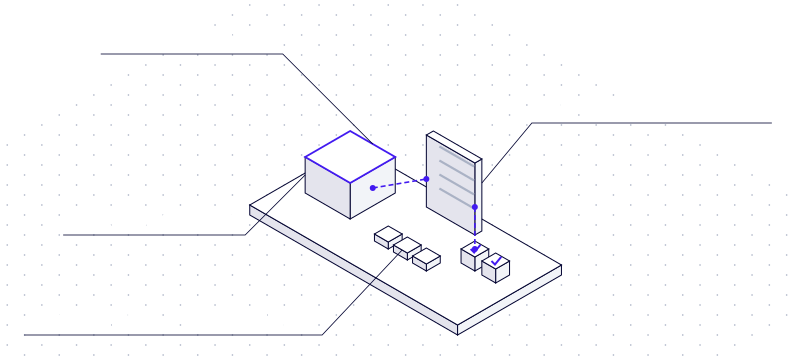
Application teams request an environment through an approved process that attaches the required account, network, guardrails and logging. Platform services have reliability objectives. Review incidents without assigning blame and prioritize reliability work when the agreed error allowance is exhausted.
Logging follows the agency’s approved plan and applicable requirements, including OMB M-26-14 where it applies. Confirm defense and national security requirements separately. Record provider report reviews and route significant changes to the agency’s authorizing official.
Track vulnerabilities and configuration drift with the security team. Escalate missed mandatory deadlines through the agency’s security route as soon as they are known, and record the corrective action.
Every service is in a catalog the requester can read. Incidents and requests are separate flows with separate priorities and targets. Suspected security incidents follow a written routing rule reviewed by the agency security manager and tested before use. The desk keeps requester communications and does not close security cases outside that rule.
Each service target has written clock start, stop and pause rules. Agree the measurement method and what happens when a target is missed before reporting against it.
Automate standard requests only after a supervised trial and the service owner’s approval. Keep the same access and approval rules, log every run and provide a route to a person. Failed tests keep the request manual.
Bots need registration and authorization in each system they touch. Any AI-assisted routing also needs agency AI approval, logged suggestions and human override before use.
The person who solves a problem writes it up while solving it, in a simple template, and the next person improves it on use. Self-service answers are measured by whether people find them and whether the issue comes back.
Separate requester articles from internal instructions. Keep credentials and sensitive system details out of public-facing answers. Test common tasks, routing and accessibility with requesters and desk agents; failed checks stay in pilot while existing help channels remain available.
Platform services have objectives, and the monthly report shows how they were met.
Logging coverage is checked against your agency’s plan, category by category.
The catalog is readable, and incidents and requests are routed separately.
Common answers are in the knowledge base, and reopen rates are reported alongside resolution.
Define the monthly operations report, the service levels your agency sets, the catalog and knowledge base as deliverables, and the written rule for routing security incidents.
The platform owner sets priorities. Your agency sets service targets and approves changes to them. The chief information security officer’s office receives security incidents through the agency’s own route.
Safeguards
Your officials decide placement, accept the platform and its recovery plans, and set the service targets. We work on the platform and tools your agency approves, and we never sign acceptance on your behalf. Read our safeguards and the environment baseline review.
The contract defines the scope and records any exclusions. Your designated officials approve the work; the contracting officer’s representative records acceptance within the written delegation. Missing evidence or approval keeps the step open, with an owner and a date to correct and retest it.